Access our step-by-step masterclass blueprints engineered to break down complex self-mastery into simple daily steps.
The Thrive Guide is not just another theoretical self-help framework. It is a highly tactical, day-by-day playbook engineered to turn abstract routines into natural, effortless physical habits.
Every morning begins with a hyper-focused layout featuring a single, high-impact goal. By removing early morning decision fatigue, the guide points you directly toward your essential daily actions, preserving your creative willpower for the work that matters most.
Building a new habit is easiest when you anchor it to an existing automatic routine. Our guide provides practical, science-backed formulas that help you seamlessly loop physical hydration, micro-stretches, or mind wellness resets directly into your normal daily flow.
To keep burnout at bay, we include tiny, three-minute somatic exercises and posture alignments within your afternoon layouts. These quick, physical check-ins help calm your nervous system, lower stress levels, and bring you back to an energized state of flow.
Habits occasionally break, and that is completely normal. Our weekly reflection check-ins give you a judgment-free space to look at exactly where your consistency slipped, helping you adjust your surroundings and restart your routines with total confidence.
Consistency grows when progress feels visible. The guide uses clean, minimalist tracking circles that gamify your day-to-day discipline, creating a rewarding mental cycle that makes self-improvement feel exciting, satisfying, and sustainable.
Building a healthy lifestyle is not about dramatic changes. It is about simple, consistent daily practices that nourish your body, clear your mind, and protect your energy.
Start your morning by drinking a large glass of clean water before reaching for coffee. Step outside or stand near a bright window for five minutes of direct sunlight. This simple habit immediately wakes up your organs, boosts your energy levels, and resets your natural sleep cycle.
Avoid sitting for hours without a break. Set a timer to stand up, stretch your shoulders, or take a short three-minute walk every morning. Gentle physical movement keeps your blood flowing smoothly, prevents body stiffness, and releases mental tension during busy workdays.
Fuel your body with simple, natural meals containing lean proteins, colorful vegetables, and healthy fats. Eating balanced meals stops sudden sugar cravings, prevents afternoon brain fog, and provides steady, long-lasting energy to keep you feeling focused all day.
Give your brain a rest from notifications. Step away from laptops, phone screens, and social media for twenty minutes in the late afternoon. This digital break lowers your stress levels, relaxes your eyes, and helps you transition smoothly from work mode into personal life.
Prepare your body for deep rest by dimming bright overhead lights an hour before bed. Swap scrolling on your phone for a calming book or a simple journal reflection. Creating a quiet evening routine signals your nervous system to relax, ensuring you wake up fully refreshed.
Unlocking big milestones is not about working yourself to exhaustion. Use these simple, highly practical mental strategies to build steady momentum and reach your goals.
Big goals can feel scary and make you delay starting. Break your massive projects down into small, five-minute tasks that are easy to finish. Getting one small task done builds quick momentum and naturally pushes you to take the next step.
Do not wait until a project is completely finished to feel good about your work. Pause and acknowledge your daily progress, even if it is just writing a single paragraph. This clean habit trains your brain to connect hard work with positive rewards.
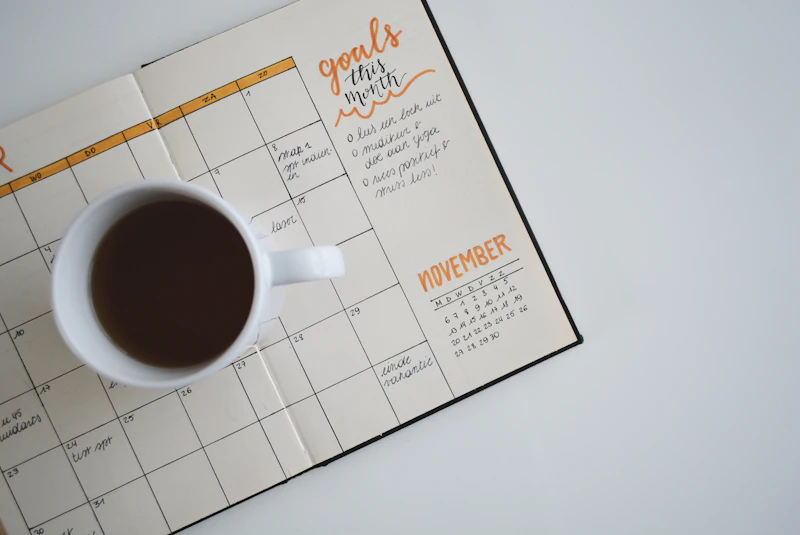
Use a simple paper wall calendar or a clean digital tracker to cross off each day you complete your habit. Watching a visual line of daily successes grow longer makes you feel proud of your discipline and keeps you from wanting to break the chain.
Waiting to feel motivated before you start working is a trap. Inspiration usually shows up after you have already started moving. Create a simple schedule for your tasks and commit to showing up, regardless of whether you feel like it or not.
Missing a day is completely normal and is not a failure. When your routine slips, avoid wasting energy on feeling guilty. Simply treat it as a puzzle: figure out exactly what broke your focus, adjust your setup, and commit to returning to your routine the next day.
Do not overwhelm yourself with giant to-do lists. Every morning, choose exactly three highly important things you want to finish by evening. Restricting your daily focus protects your limited mental energy and guarantees that your main goals get done.